
Most counselors are still working from memory and a spreadsheet.
Ours have technology built to do this process perfectly.
One counselor accountable for you, through your first year.
Every student we’ve counseled got into a top choice.
Starts with a free 30-minute profile review.







Half of college students would choose a different school or major.
Talk to a counselor
in the wrong place. Who would they have become in the right one?
in student loans owed.
unclaimed, for just one financial aid program. There are millions.
transfers a year, one semester of classes lost each on average.
51 of every 100 would change a major decision.
Gallup and Strada, 90,000 adults. The Federal Reserve found the same pattern in 2021.
They didn't choose badly on purpose.
The Gallup and Strada survey found the regret came from deciding without complete information.
If you're afraid of making the wrong call, that fear is reasonable.
A seventeen-year-old shouldn't have to guess at a decision that sets their next decade.
Sources: Gallup and Strada, 2017. Federal Reserve, 2021 and 2026. National College Attainment Network, 2025. National Student Clearinghouse. U.S. Government Accountability Office, 2017.
… Read more… See less
How many get it wrong
Gallup and Strada survey, 2017. About 90,000 U.S. adults who attended college:
- 51% would change at least one of three decisions: their degree, their major, or their school.
- 36% would choose a different major.
- 28% would attend a different school.
Federal Reserve household survey, 2021. U.S. adults who attended college:
- 38% would have chosen a different major.
- 37% of those who left without a bachelor's degree would have attended a different school.
- About 1 in 4 bachelor's graduates would have attended a different school.
Two surveys, four years apart, and the same answer.
What it costs them
- Four years in the wrong place, with the wrong people. Who would they have become in the right one?
- $1.86 trillion in student loans, owed by 42.6 million Americans. That is about $39,500 each.
- $4.4 billion in free federal grants, left unclaimed by one graduating class. 830,000 eligible students skipped $5,339 each. That is one program. There are 10 million scholarships and thousands of other aid programs beyond it.
- 1.2 million students transfer every year. 2 in 5 will transfer before they finish. The average transfer costs 13 credits, a semester of work, gone.
- 40 million adults with some college and no diploma.
Most counselors are living in the dark ages of technology.
Talk to a counselorYou hire a counselor so you don’t end up in that half.

What most counselors have to work with.
schools. Most work from memory and a spreadsheet of the ones they know well.
Many have added ChatGPT or Claude, which can invent a deadline, a price, or a requirement and sound certain.
is about what a private counselor spends on one student.
of their working time goes to research and campus visits. Much of the rest goes to getting context and remembering where you were.
With those tools and that time, the most they can do is get you in somewhere.
It isn’t that they don’t care. Without the right technology, they can’t.
Ours can.
Every Momentum counselor works from OpportunityOS, technology built to do this process perfectly.
Source: Independent Educational Consultants Association.
A counselor who has read applications.
Talk to a counselorYour counselor has seen this process from the side you can’t.
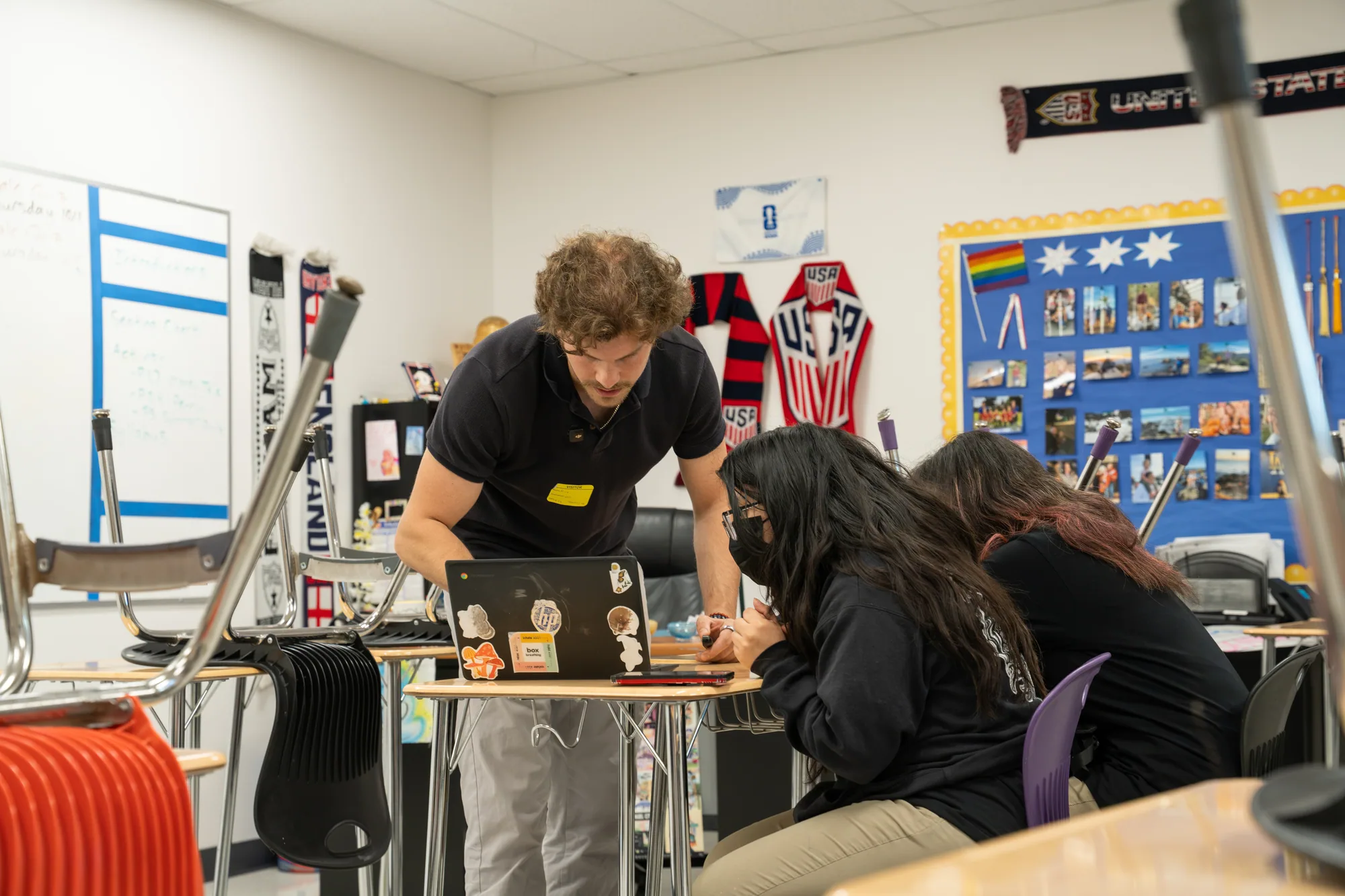
- Inside the admissions office. Our team includes a former UC Berkeley admissions officer who has decided who gets in.
- Inside the careers. Our counselors have worked in every industry and career, so yours knows where your path leads after college.
- Trained on OpportunityOS. Every counselor is trained on the technology before they work with a single student.
Yours before you commit.
You meet your counselor in a free 30-minute profile review, so you know who you’re working with first.
Your story, your college list, your essays.
Talk to a counselorYour counselor goes through each one with you, not for you.
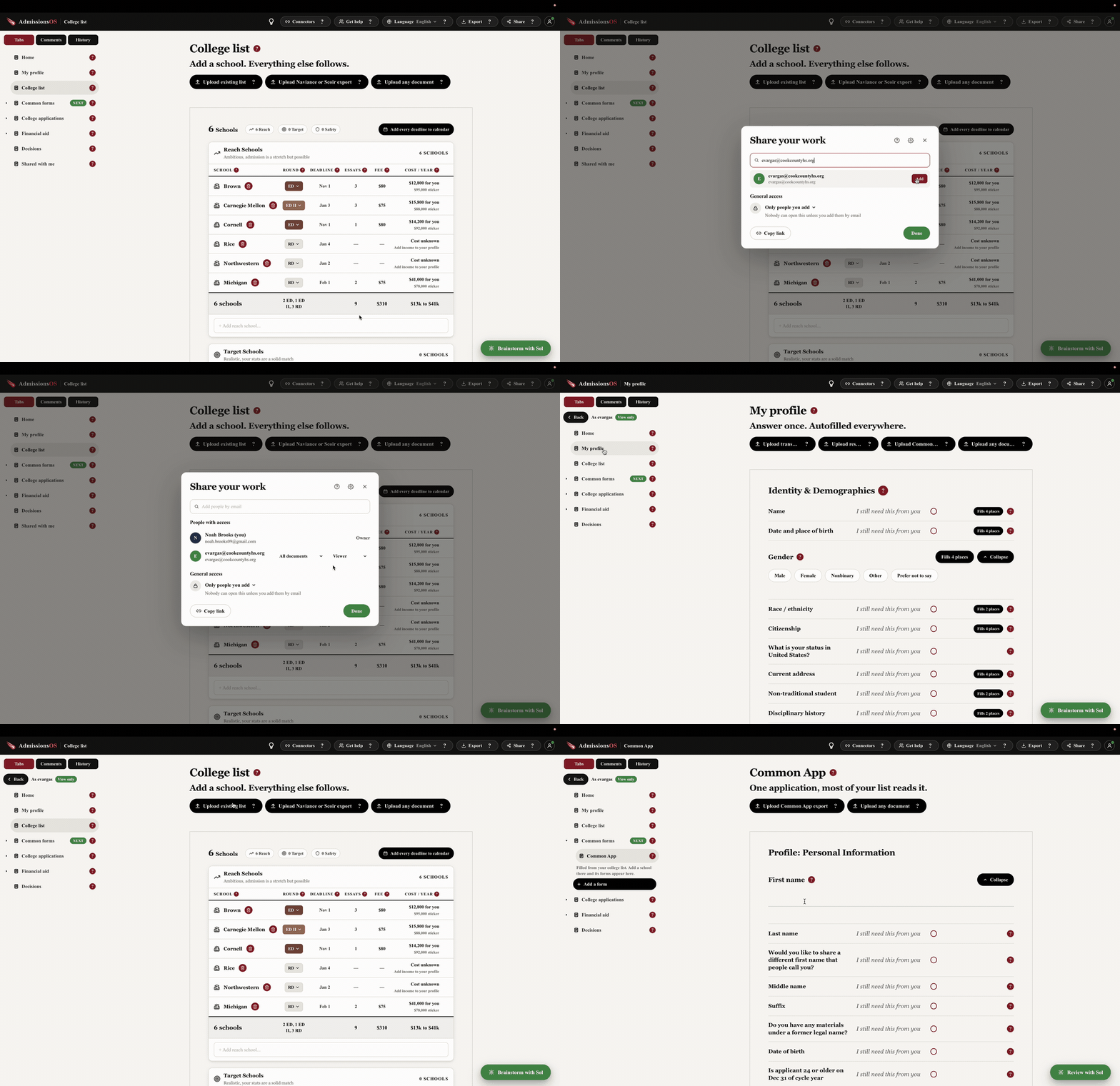
Before any writing starts, you and your counselor work out what sets you apart, so every part of your application says the same thing about you.
Built around where you’ll thrive and what you’ll pay, then tested by someone who knows where each path leads.
Your words, in your voice. Your counselor reads every draft the way an admissions officer will and tells you what it says about you.
Every hour goes to you.
Talk to a counselor
One person accountable for you.
Talk to a counselorOpportunityOS does everything. Your counselor adds one person who answers for how it turns out.
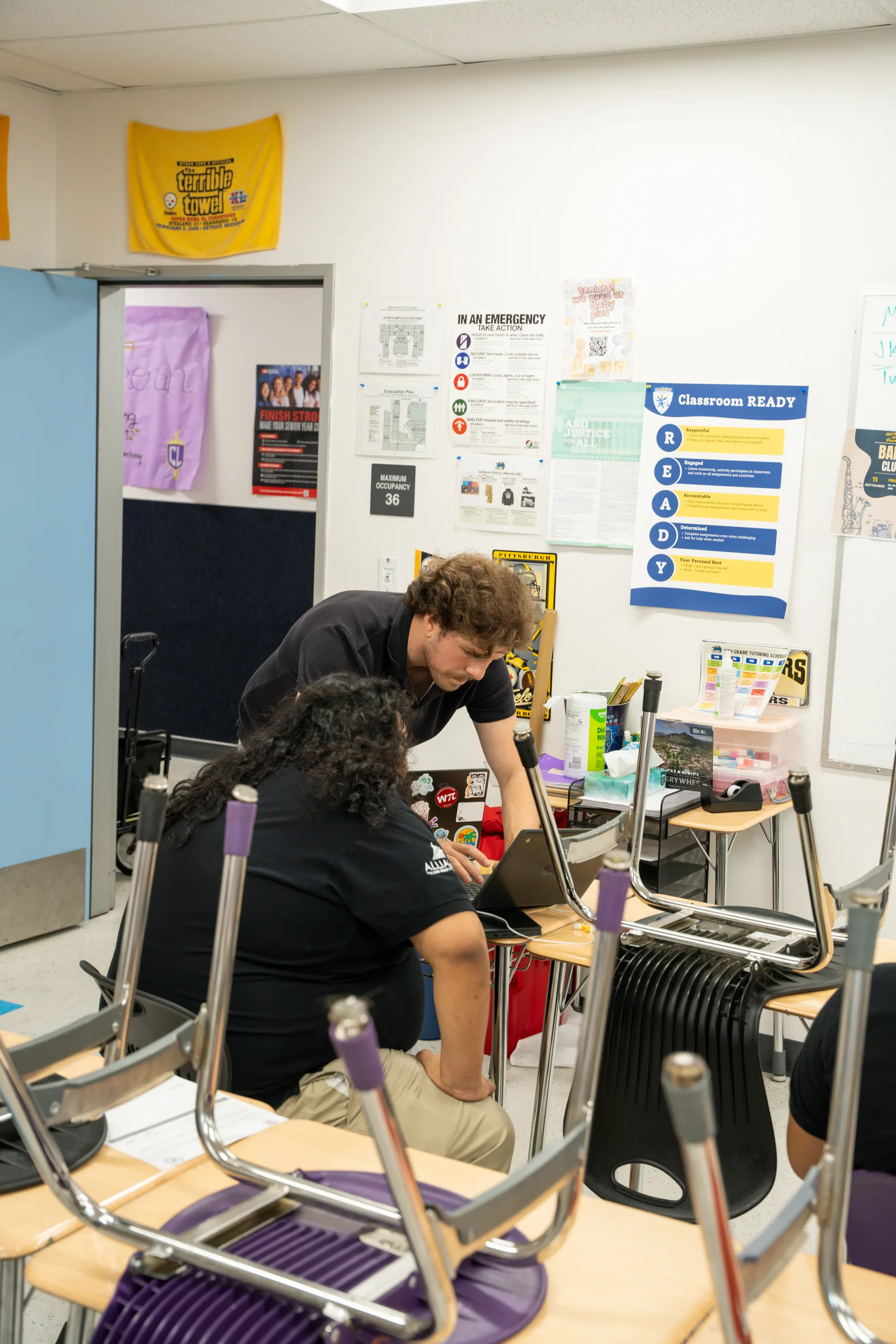
Most counselors
Your Momentum counselor
Every deadline, form and requirement is checked by a person whose job is to get you through this process perfectly.
Your counselor tells you and your parents the truth about your college list and your essays, including when it isn’t what you hoped to hear.
Your counselor’s job doesn’t end when you get in. They plan your first year with you: classes, clubs, and how to find your people.
Start with a free 30-minute profile review.
Meet your counselor and see where you stand, before you commit to anything.
Checks and balances.
I get the personable feedback from my counselor and the straightforward answer from OpportunityOS. It’s almost like a college admissions checks and balances.
Deferred, then Notre Dame, Harvard and Cornell.
A game changer for my activity and honors descriptions. I went from deferred at Notre Dame to accepted, and also accepted to Harvard and Cornell.
Deferred, then Purdue on a full ride.
I’m an international student from India. I was deferred at Purdue, then accepted to mechanical engineering on a full ride.
Join students admitted to:







Frequently Asked Questions
Ask us directlyWhat is Momentum Counseling?
College and career counseling, one on one, backed by OpportunityOS.
One counselor accountable for you,
from your college list through your first year.
Counselors who have worked in every industry and career,
so yours knows where your path leads after college.
Technology built to do this process perfectly,
so nothing is left on the table.
How is this different from other counselors?
Most counselors are still working from memory and a spreadsheet. Ours work from OpportunityOS.
Most counselors work from the schools they know well.
OpportunityOS covers 10 million academic and professional programs and 10 million scholarships.
Many have added ChatGPT or Claude,
which can invent a deadline, a price, or a requirement and sound certain.
Most spend 38% of their time on research and campus visits.
Ours spend 0 hours on research, so every hour goes to you.
Most stop at the acceptance letter.
Ours plan your first year with you.
It isn’t that other counselors don’t care. Without the right technology, they can’t.
Who are the counselors?
People who have seen this process from the side you can’t.
A former UC Berkeley admissions officer
who has decided who gets in is on our team.
Years of doing this,
and work in every industry and career.
Trained on OpportunityOS
before working with a single student.
You meet your counselor
before you commit to anything.
What happens in the profile review?
A free 30-minute call with a counselor.
You share where you are:
your grades, your activities, and what you want.
Your counselor tells you where you stand,
plainly.
You decide whether to keep going.
There is no commitment.
You know your counselor before you pay for anything.
What do my counselor and I work on?
Your story, your college list, and your essays. Your counselor goes through each one with you, not for you.
Your story.
What sets you apart, so every part of your application says the same thing about you.
Your college list.
Built around where you’ll thrive and what you’ll pay.
Your essays.
Your words, in your voice. Your counselor reads every draft the way an admissions officer will.
The calls that matter.
Where to apply early, and which offer to take.
Your counselor is straight with you and your parents, including when it isn’t what you hoped to hear.
Do you write the essays?
No. Nobody should write your essay but you.
An essay someone else wrote sounds like someone else.
Admissions officers read thousands and can tell.
It puts your application at risk.
Colleges treat work that isn’t yours as fraud.
It isn’t needed.
Your counselor’s job is to get your own story onto the page, better than you thought you could tell it.
Can you get my child into their dream school?
Nobody can promise that, and anyone who does is not being straight with you.
Every student we’ve counseled
got into a top choice.
200+ students admitted,
across every top-100 school.
What we promise is the process: the right college list, nothing left on the table, and one person accountable for getting it done perfectly.
What does it cost?
The profile review is free.
After it, your counselor tells you exactly what working together would cost, and you decide. You never pay for what OpportunityOS already does.
When should we start? Is it too late?
The earlier the better, and it is rarely too late.
Start early,
and there is more room to shape your story and your college list.
Start late,
and your counselor focuses on what can still change: the college list, the essays, and the aid.
Either way, the first step is the same 30-minute profile review.
Do I need OpportunityOS to work with a counselor?
You’ll have it. Every student who works with a counselor works in OpportunityOS.
Your profile, college list, drafts, and deadlines
live there.
Your counselor works in the same place you do,
so nothing is lost between calls.
OpportunityOS does everything.
Your counselor adds one person who is accountable for you.
How do I start?
Book a free 30-minute profile review.